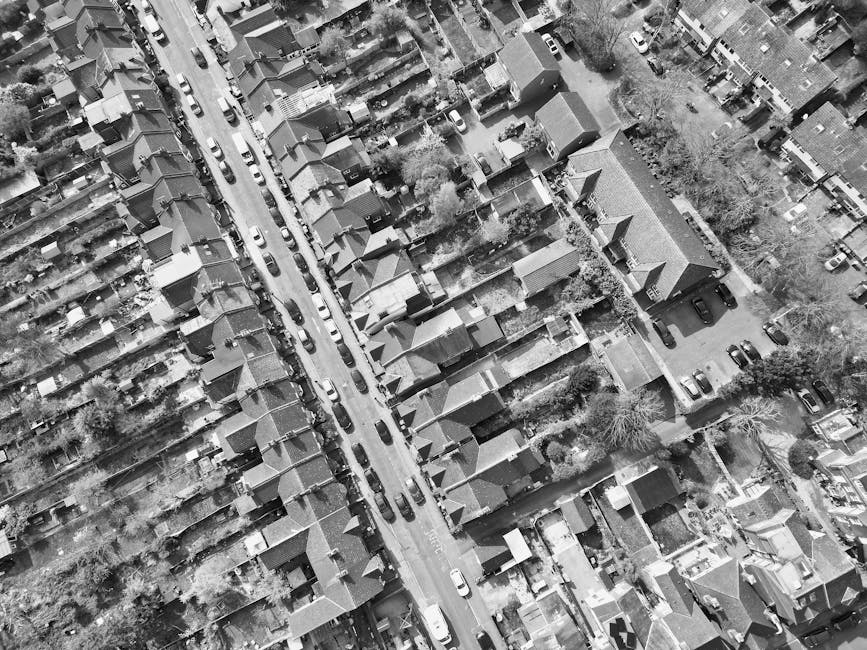
Acton Removals South Acton estate access and driveway tips
Moving in South Acton can look straightforward on paper, then suddenly the driveway is tighter than expected, the estate road is busier than you planned, and the van is sitting at an awkward angle while everyone tries not to block a neighbour's gate. That is exactly why Acton Removals South Acton estate access and driveway tips matter. A smooth move in this part of West London is rarely about strength alone; it is about planning the approach, reading the space properly, and avoiding small access problems before they become big delays.
In this guide, we'll walk through the practical side of estate access, driveway positioning, parking, loading, and a few real-world things that people often miss until move day. You'll also see where services like home moves, man and van, and packing and unpacking services can make life easier when access is a bit fiddly. Truth be told, the best moves in South Acton are usually the ones that look boring from the street. That is a compliment.
Table of Contents
- Why Acton Removals South Acton estate access and driveway tips Matters
- How Acton Removals South Acton estate access and driveway tips Works
- Key Benefits and Practical Advantages
- Who This Is For and When It Makes Sense
- Step-by-Step Guidance
- Expert Tips for Better Results
- Common Mistakes to Avoid
- Tools, Resources and Recommendations
- Law, Compliance, Standards, or Best Practice
- Options, Methods, or Comparison Table
- Case Study or Real-World Example
- Practical Checklist
- Conclusion
- Frequently Asked Questions
Why Acton Removals South Acton estate access and driveway tips Matters
Estate moves are very different from the nice, broad-driveway image people sometimes have in mind. South Acton includes a mix of residential estates, shared access routes, parking bays, one-way sections, internal turnings, and driveway layouts that can be perfectly fine for a car but awkward for a removal van. A few extra metres or a badly placed vehicle can be the difference between a quick lift and a slow, stop-start shuffle across the pavement.
This matters because access affects nearly every part of the move: how long loading takes, whether furniture can be carried safely, how many trips are needed, and whether neighbours can still get by. A narrow entry point can also increase the risk of scrapes on walls, clipped mirrors, or that classic move-day headache where someone says, "It'll fit," and then it very much doesn't. Been there. Not ideal.
For customers planning a full house move, it can be worth looking at house removals or house movers if the property includes shared entrances, upper floors, or a driveway with limited turning space. The reason is simple: the right team and vehicle setup will often save more time than any last-minute improvisation.
Expert summary: In South Acton, move success often comes down to access planning rather than packing volume. If the van cannot park sensibly, the rest of the job becomes slower, riskier, and more tiring for everyone.
How Acton Removals South Acton estate access and driveway tips Works
The process starts before the van arrives. Good access planning is part observation, part measurement, and part common sense. You look at the driveway, the approach road, the height clearance, the turning area, the width of the entry, and where the furniture will actually come out of the property. That sounds obvious, but in practice many people only check one or two of those points.
Here's what usually happens in a well-managed South Acton estate move:
- You identify the safest place for the van to stop, ideally as close as possible to the entrance without blocking access.
- You check whether the driveway surface can handle the vehicle weight and whether the gradient makes loading harder.
- You decide which items should come out first so the path stays clear and the move remains controlled.
- You make sure doors, communal paths, and gates are not obstructed by boxes, bins, or loose items.
- You adapt the plan if the actual space is tighter than expected, because, let's face it, measurements on a phone photo can be optimistic.
This is where a flexible service such as man with van or removal van can be useful for smaller or medium-sized moves. For larger loads, a moving truck may be better if the estate layout and turning space allow it. The vehicle should suit the access, not the other way round.
In a typical South Acton estate, the hidden issue is rarely just the driveway itself. It is often the combination of narrow access, shared pedestrian space, and timing. A van might technically fit, but if it blocks another resident's exit or sits too far from the front door, the whole job becomes clumsy very quickly.
Key Benefits and Practical Advantages
Getting estate access and driveway planning right gives you a few very real benefits. Some are obvious, some only become obvious when you get them wrong.
- Less lifting distance: The shorter the walk from property to van, the easier and safer the move.
- Lower damage risk: Good positioning reduces the chance of scuffed walls, knocked railings, or scratched furniture.
- Better time control: A move that stays close to the entrance usually finishes more efficiently.
- Improved neighbour relations: Nobody enjoys having their bay blocked or their bin access cut off for an hour.
- Safer handling: Tight access can tempt rushed carrying, which is where accidents creep in.
There is also a financial side to this. If access is poor and loading takes longer, the move may need more labour time or a different vehicle plan. That does not always mean a huge extra cost, but it can affect the quote and the schedule. If you are still comparing options, the pricing and quotes page is a sensible place to understand how different move sizes and access conditions may be assessed.
For anyone comparing providers, it is also worth reviewing a removal company or broader removal services package that matches the practical layout of the property. A very cheap quote can become less attractive if the crew arrives with the wrong vehicle size and everyone spends half the morning reworking the plan. Not fun.
Who This Is For and When It Makes Sense
This guidance is useful for a few different groups, and not just people moving out of a block of flats. South Acton estates can involve maisonettes, shared parking areas, ground-floor homes with tight driveways, and properties where access is fine for a small van but not ideal for a larger lorry.
You will benefit most if you are:
- moving from or into a South Acton estate with limited roadside parking
- using a driveway that has tight corners, low walls, or a steep incline
- moving a family home with heavy furniture and several large appliances
- relocating an office, studio, or small business from estate-adjacent premises
- trying to reduce disruption for neighbours, porters, or building management
If your move includes work items as well as domestic belongings, services such as office removals or commercial moves may be relevant, especially where access windows are tight and you need the loading to happen efficiently. For smaller one-off items, furniture pick up can also be a practical fit when the driveway or estate access is simple but the item itself is awkward.
Sometimes the decision is straightforward: if you can picture the sofa making that final corner without drama, you're probably fine. If you can't, it's worth planning more carefully. That little pause can save a lot of stress later.
Step-by-Step Guidance
Here is a practical way to handle South Acton estate access and driveway planning without overcomplicating it.
1. Walk the route from front door to van space
Do not just look at the driveway from the street. Walk the full route. Check doors, shared steps, door swings, gate widths, and any tight corners where a wardrobe or mattress might snag.
2. Measure the obvious bottlenecks
Focus on the narrowest point rather than the widest. A route can look generous until you reach the bin store, a lamp post, or a parked car that trims off the useful space.
3. Decide where the van should actually stop
The ideal stopping point is usually the one that keeps lifting distance short while leaving enough room for pedestrians and estate traffic. Sometimes that is on the driveway. Sometimes it is just outside the entrance. Depends on the site.
4. Clear the path before the crew arrives
Move plant pots, scooters, bins, floor mats, and loose items. Those little obstacles sound harmless. They are not. They slow things down, and they tend to catch at ankle height when people are carrying something bulky.
5. Load the heaviest items first if the route allows it
When access is decent, heavier items usually go in early so the van is packed securely and weight is distributed well. If the route is awkward, the team may adapt to reduce repeated lifting. Flexibility matters more than a rigid rule.
6. Keep one person responsible for access decisions
This is one of those tiny things that makes a move run smoother. One point of contact can decide whether to shift the van, delay loading, or pause while another resident reverses out. Too many opinions in a tight driveway gets messy fast.
7. Review the setup before leaving the property
Before the van pulls away, check that gates are shut, communal areas are clear, and nothing has been left behind on the driveway. People forget small items at the curb more often than they'd like to admit.
Expert Tips for Better Results
After enough moves, a pattern shows up: the people who prepare for access problems usually have calmer move days. Not perfect days, just calmer ones.
- Book the right vehicle size: A smaller vehicle can sometimes beat a larger one if the estate layout is tight. Bigger is not always better.
- Avoid peak congestion where possible: Early starts often mean fewer parked cars and easier manoeuvring. You'll notice the difference, especially on a busy morning.
- Photograph the driveway and entrance: A few clear photos help assess real access conditions in advance. Take one from the road, one from the driveway, and one of the route to the front door.
- Protect delicate surfaces: Driveway edges, internal walls, and stair rails often need simple protection in tight moves.
- Think about where the van doors open: It sounds minor, but a bad door opening position can interrupt the whole loading rhythm.
- Allow space for turning: If the van has to reverse or pivot, don't pack the route with bins, garden furniture, or a second car.
If you are unsure how much space the move will really need, a practical conversation with a team that handles movers day in, day out can help you avoid guesswork. And guesswork, in a South Acton driveway, is a bit of a gamble.
A small but useful trick: label the first-load items clearly and keep them near the exit. It saves the crew from having to ask, "Where's the box with the kettle?" at the exact moment everyone needs a quick pause and a cup of tea. That little thing matters more than people expect.
Common Mistakes to Avoid
Most driveway and access problems come from a handful of familiar mistakes. They are simple, but they keep happening.
- Assuming the van will fit because a car does: Removal vehicles need more width, more height, and more turning room.
- Ignoring shared access rules: Estate roads and common areas often need more care than a private driveway.
- Leaving cars in the way: One parked vehicle can change the whole loading plan.
- Underestimating carrying distance: Ten extra metres feels fine until you are on item number fourteen.
- Forgetting about weather: Wet paving, leaf litter, and frost can make a driveway slippery and awkward.
- Not checking van height and overhead obstructions: Low trees, cables, or canopies can be a real issue.
Another common one is not telling the moving team about the access challenge until they arrive. That creates avoidable pressure. It is far better to mention it early, even if the driveway issue feels minor. The crew would rather know in advance than discover it with the engine running and the clock already ticking.
If you need a move that includes the whole property rather than just the furniture, services like home moves and man and van removals can be matched to the access conditions from the start. That's the cleaner route, honestly.
Tools, Resources and Recommendations
You do not need fancy kit to plan estate access well, but a few basic tools help more than people think.
| Tool or resource | Why it helps | Best use |
|---|---|---|
| Measuring tape | Checks gate widths, corridor clearance, and awkward driveway pinch points | Before move day, ideally with a second person present |
| Phone photos or video | Shows the real route and any low walls, tight turns, or steps | When getting a quote or discussing access |
| Notebook or checklist | Helps you remember parking arrangements, key handover, and priority items | The day before the move |
| Door stops and floor protection | Keeps routes open and reduces scuffs | On busy loading routes |
| Clear labels | Makes first-load and fragile items easier to handle | During packing and staging |
If you are still comparing the right support level, it can help to review removals alongside man with van removal options. The point is not to buy the biggest package possible. The point is to choose the one that fits the access reality of the property.
For broader service planning, it is also worth checking practical details such as insurance and safety, which is especially relevant when manoeuvring through tight estate layouts, shared walkways, and narrow driveway edges. A careful move is usually a safer move. Simple as that.
Law, Compliance, Standards, or Best Practice
For estate access and driveway moves, the main compliance issue is usually not some dramatic legal hurdle. It is a set of ordinary responsibilities that most people should already expect: safe loading, sensible parking, minimal obstruction, and respect for shared spaces. In the UK, estate roads, footways, and private driveways can be governed by site rules, lease terms, building management requirements, or local parking restrictions. You do not want to assume anything here.
Best practice usually means:
- keeping pedestrian routes clear where possible
- avoiding damage to communal areas or neighbouring property
- using safe lifting methods and suitable equipment
- checking access permissions in advance if the estate has controlled entry
- making sure the move does not create unnecessary hazards for residents
It is also wise to review the provider's health and safety policy and terms and conditions before booking, especially if the property has unusual access or a shared driveway. That way, expectations are clear if plans need to change on the day.
And if you are dealing with sensitive building access, key collection, or managed entry, early communication matters more than technical knowledge. A short message the day before can save a lot of hassle. No drama, no last-minute panic.
Options, Methods, or Comparison Table
Different access situations call for different approaches. Here is a simple comparison to help you think it through.
| Method | Best for | Strengths | Watch-outs |
|---|---|---|---|
| Small van move | Tight driveways, lighter loads, quick access routes | Easier parking and turning, often less disruption | May require more trips for larger households |
| Standard removal van | Moderate estate access with a manageable driveway | Balanced capacity and accessibility | Can struggle in very tight or heavily parked areas |
| Large moving truck | Open roads, broad access, larger properties | More efficient for bigger loads | Needs more manoeuvring room and a clearer approach |
| Full removals team | Complex access, heavy furniture, time-sensitive moves | More labour support and better handling of awkward items | Usually costs more than a simple transport-only option |
If the estate access is unpredictable, a smaller vehicle with a well-planned load can outperform a bigger truck. That surprises people sometimes, but it is true. If your move is mainly a sofa, white goods, and packed boxes, the efficient option may be more practical than the grander one.
Case Study or Real-World Example
Picture a ground-floor flat in South Acton with a shared driveway, a low wall on one side, and a parked car across part of the turning space. The resident thinks the move will be simple because the front door is only a short walk from the street. Then the van arrives and the team sees the actual angle needed to reverse in without blocking the neighbour's gate.
In that kind of situation, a careful plan changes everything. The driver stops a little further back, one person clears the doorway, and the first load is staged near the exit so the carrying route stays clean. Boxes are grouped by size, the awkward dresser is moved only once, and the team avoids turning the move into a slow zig-zag through the driveway. The result is not flashy. It's just efficient.
What made the difference? Not brute force. Not luck. Just a clear access check, a sensible vehicle choice, and a bit of patience when the space turned out to be tighter than the photos suggested. That is the sort of move day people remember for the right reasons.
Practical Checklist
Use this simple checklist before move day. It keeps the important things in view.
- Measure the driveway width and note any low walls, gates, or turning restrictions
- Photograph the access route from the road to the property entrance
- Check whether a van can stop without blocking neighbours or emergency access
- Move parked vehicles if they reduce the loading space
- Clear bins, bikes, plant pots, and other obstacles from the route
- Confirm whether any estate rules affect parking or loading times
- Tell the moving team about stairs, lifts, shared entrances, or steep slopes
- Protect floors, walls, and corners where furniture will pass close by
- Keep keys, documents, and essentials somewhere easy to reach
- Review the booking details for access notes, timing, and any special instructions
If you are still arranging the move and want a simple starting point, a quick look at removals near me can help you compare suitable support for a South Acton move with access limits. It is a small step, but a useful one.
Get a free quote today and see how much you can save.
Conclusion
South Acton estate access and driveway planning is one of those things that looks minor until move day. Then it becomes the whole story. A clear route, a sensible vehicle, and a few careful checks can mean the difference between a calm move and a long, awkward one with people waiting around and furniture stuck at the wrong angle.
If you remember only one thing, let it be this: measure the access, picture the turning space, and plan the load around the real property layout, not the ideal one. That small bit of preparation will usually pay for itself in saved time, safer handling, and fewer headaches. And if it all feels a bit much, that is normal too. Moving is rarely as neat as people hope. The good news is, with the right approach, it can still go smoothly.
There is a quiet satisfaction in getting a hard move done well. No fuss, no drama, just boxes in the right place and the driveway left exactly as you found it.
Frequently Asked Questions
What should I check first for a South Acton estate move?
Start with the narrowest access point, then check the driveway width, turning space, and any shared routes or gates. That gives you a realistic picture of whether a van can stop close enough to the property.
How do I know if my driveway is suitable for a removal van?
Measure the width, look at the turning angle, and check for low walls, steep gradients, or overhead obstacles. If a car fits easily, that does not automatically mean a van will.
Is it better to use a small van or a larger truck in South Acton?
It depends on the access. A smaller van is often better for tight estate roads and driveways, while a larger truck can work well if there is enough space and the load is substantial.
Should I tell the removals team about access problems in advance?
Yes, absolutely. Early notice allows the team to choose the right vehicle, plan the loading route, and avoid surprises on the day.
What if another resident blocks the driveway or access route?
That happens. It is best to stay calm, document the issue if needed, and adjust the loading plan safely. A flexible schedule usually solves more than people expect.
Can poor driveway access increase move costs?
It can, because difficult access may take more time or require a different vehicle or more labour. The exact effect depends on the property and the move size.
Do estate rules matter for a removals booking?
Yes. Estate or building rules may affect parking, loading hours, or access permissions, so it is wise to check them before the move.
What items cause the most trouble on tight access moves?
Large wardrobes, sofas, mattresses, American-style appliances, and awkwardly shaped furniture tend to cause the most hassle. They are not impossible, just worth planning around.
How can I make loading faster on a cramped driveway?
Clear the route in advance, stage the first-load boxes near the exit, and keep the van stop point as close as safely possible. Small improvements add up quickly.
Do I need packing help if the estate access is difficult?
Not always, but packing help can be useful if the move has lots of fragile items or the access is likely to slow things down. Services such as packing and unpacking services can reduce pressure on the day.
What is the safest way to protect communal areas during the move?
Use floor protection where needed, keep pathways clear, avoid rushing turns, and make sure furniture is carried with enough control to prevent knocks or scrapes.
Where can I find more information about pricing and service options?
You can review pricing and quotes along with the provider's other service pages to see what matches your property layout and moving needs best.